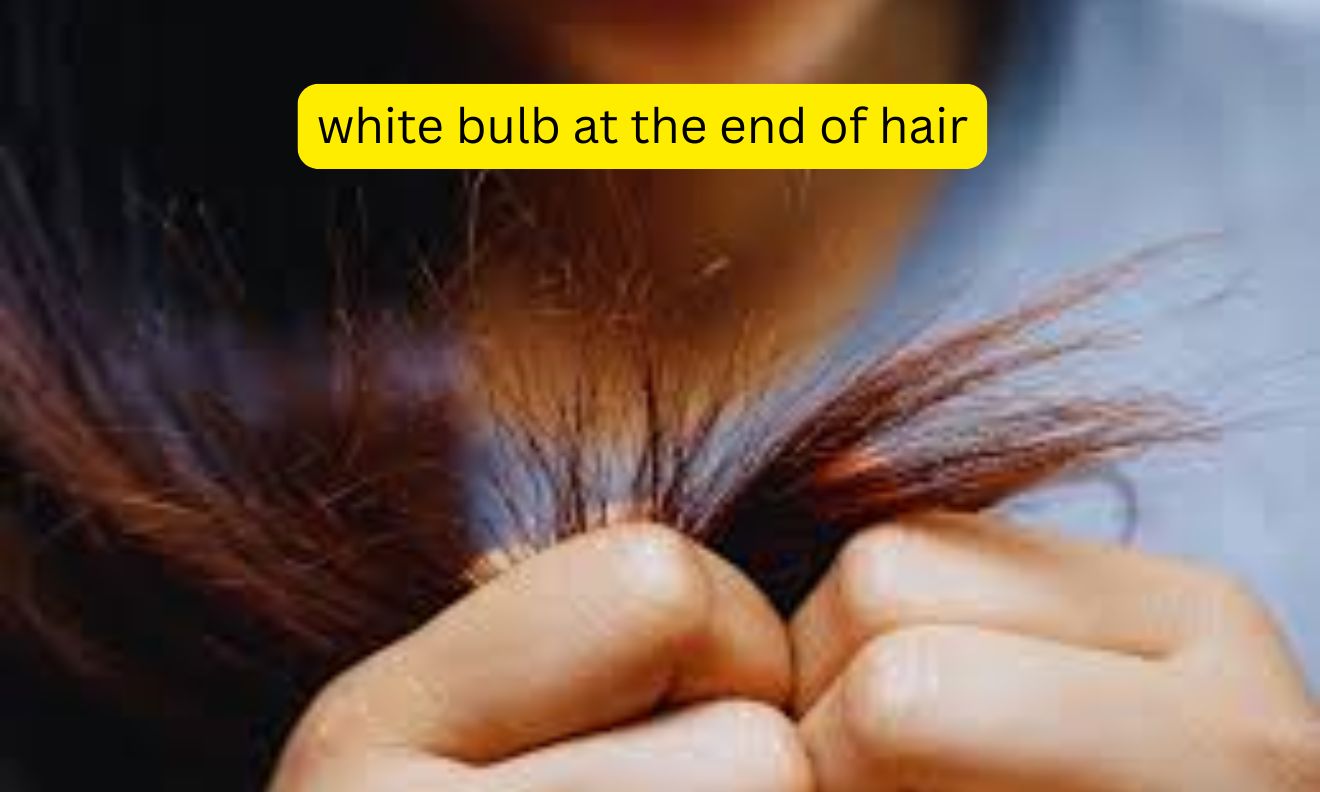
Have you ever seen minimal white bulbs at the completion of fallen hair strands? You are not the only one in that case. This peculiarity affects a lot of people, and they can’t help but wonder how it affects the health of their hair. This careful assistant will research the purposes behind white bulbs on hair, inspect treatment decisions, and use countering techniques to stay aware of solid areas for strength.
This article will give you the information you really want, whether you’re dealing with excessive hair loss or just curious about those tiny white specks. We’ll dive into the science behind hair improvement, dissipate ordinary dreams, and suggest a solution on white bulb at the end of hair.
Understanding Hair Structure
Before We Get into the Specifics of white bulb at the end of hair Formation A follicle, a tiny, sac-like structure in the skin, is where each and every hair on your body grows. A hair follicle consists of a number of essential components:
1. Hair bulb: Arranged at the groundwork of the follicle; this is where new hair cells are conveyed.
2. Hair shaft: the piece of hair that is apparent and reaches out past the skin’s surface.
3. Root’s inner sheath: surrounds the hair shaft as it grows to protect it.
4. Outer root sheath: the hair follicle’s outermost layer.
What Are White Bulbs on Hair?
The hair’s root is really the white bulb you see toward the finish of a fallen strand. It is really the tiniest piece of the hair strand that was secured in the follicle, not a “bulb” in the plant sense. The cells that were creating the hair shaft were effectively developing and partitioning in this white, oval construction.
When you see a white bulb on fallen hair, it ordinarily suggests that the hair was in the telogen time of the improvement cycle and exited regularly. The accumulation of keratin, the protein that makes up most of the structure of hair, and the absence of color at the root are the causes of the white appearance.
It’s fundamental to observe that not all fallen hairs will have an evident white bulb. Hairs that are cut off in view of damage or outrageous styling may not show this plan.
Purposes Behind White Bulbs on Hair
There are a couple of defences for why you could see white bulbs on your fallen hair strands:
1. Regular shed hair: It’s, for the most part, expected to lose 50-100 hairs every day as a part of the customary hair improvement cycle. The presence of white bulbs on these shed hairs regularly shows that they have gotten done with developing.
2. Telogen Exhaust: This is a brief condition where more hairs enter the telogen (resting) stage than expected, which makes more hair shed.
3. Stress – Hormonal changes (like pregnancy and menopause) – Dietary deficiencies – Certain drugs – Extreme illness or surgery Androgenetic alopecia: This hereditary condition, also known as male or female example sparseness, can cause hair follicles to contract over time, eventually leading to balding and more slender hair.
4. Alopecia Areata: A resistant framework condition that causes conflict to go uncovered. Hair that has fallen from the affected area might contain white bulbs.
5. Dietary Insufficiencies: Essential supplements like iron, protein, or nutrients can have an impact on hair growth and cause more shedding.
Is It Customary to See White Bulbs?
Seeing white bulbs on fallen hair strands is generally regular and not a justification behind ensured concern. It’s an ordinary piece of the most common way of developing hair. Nevertheless, expecting you to notice an enormous development in hair shedding or changes in your hair’s thickness or surface, it is worth exploring further.
Keep in mind that the average person sheds 50 to 100 hairs daily. If you’re seeing fundamentally more than this, on the other hand, expecting that you’re going uncovered is joined by various incidental effects like scalp irritation or conflicting balding, it’s judicious to chat with clinical benefits capable dermatologists.
Options for Treatment
The most effective Treatment for white bulb baldness depends on the underlying cause. The following are a couple of typical systems:
1:- Tending to Wholesome Shortfalls:
– Consume an eating regimen plentiful in iron, proteins, nutrients, and minerals — especially B nutrients — that is even.
2. Stress Decrease:
– Engage in stress-relieving activities like yoga, contemplation, or regular exercise.
– Search for capable help accepting strain is, by and large, affecting your life.
3. Hormonal Prescriptions:
Minoxidil and finasteride are two instances of prescriptions that might be endorsed for androgenetic alopecia.
– Substance exchange treatment might be recommended for specific cases of menopausal going bare.
4. Scalp Treatments:
Seborrheic dermatitis and contagious diseases can be treated with cured shampoos or skin medicines.
Scalp rubs can help hair development and further develop blood flow.
5. alterations in lifestyle:
Avoid tight hairstyles because they put too much stress on the hair follicles.
– Take delicate consideration of your hair, and don’t utilise a lot of intensity while styling it.
Remember, it’s crucial to talk with clinical benefits or dermatologists before starting any treatment schedule, as they can give a genuine end and redid treatment plan.
Techniques for Avoidance
Although some causes of white bulb at end of hair baldness cannot be avoided, such as hereditary factors, there are steps you can take to maintain healthy hair and possibly reduce over-the-top shedding:
1. Keep a Nice Eating routine:
– Ensure good protein affirmation, as hair is primarily made of protein.
Keep in mind foods that are high in iron, zinc, and the nutrients A, C, and E. Think about including fish or other sources of omega-3 unsaturated fats in your diet.
2. Stay Hydrated:
Your overall health, including your hair, depends on drinking enough water.
3. Take Care of Your Hair Carefully:
– Stay away from harsh drugs and excessively intense hairstyles.
– Use a wide-toothed brush to carefully detangle wet hair.
– If you want to reduce grating while you sleep, use a silk or glossy silk pillowcase.
4. Direct Strain:
– Coordinate tension decline techniques into your regular everyday practice.
– Ensure that you get a sufficient amount of sleep each night.
5. Standard Movement:
Performing active work increases the bloodstream, which can further develop hair wellbeing.
Facts and Myths About white bulb at end of hair
There are a few myths about white hair bulbs. We should talk about some common legends:
Myth 1: Your hair is dead if your bulbs are white.
Fact: White bulbs are a sign that the hair has finished its development stage and are a typical piece of the cycle.
Myth 2: Taking out a hair with a white bulb will make two recuperate.
Fact: Each hair follicle produces one hair. Taking out a hair doesn’t strengthen, so it’s an excellent turn of events.
Myth 3: The white bulbs indicate a severe health problem.
Fact: Although excessive baldness can be a sign of medical issues, the presence of white bulbs alone is not indicative of a problem.
Myth 4: You can’t regrow hair once you see white bulbs.
Fact: The pattern of the hair with white bulbs is finished. However, new hair can, in any case, develop from a similar follicle.
Myth 5: Only the elderly have white bulbs on their hair.
Fact: As part of the normal hair cycle, people can have white bulbs on fallen hairs, all things being equal.
Conclusion
white bulb at the end of hair to the completion of hair strands are a customary piece of the hair improvement cycle and ordinarily not an excuse to be stressed out. In any case, it is fundamental to see a dermatologist or other clinical expert on the off chance that you are encountering unreasonable balding or other disturbing side effects.
You can pursue having hair that is more grounded and better by understanding what causes white bulbs on your hair, doing whatever it may take to forestall them, and keeping your hair healthy overall. Since your hair is an impression of your general wellbeing, dealing with your body all in all will help your hair look and be solid. With the correct data and care, you can keep a sound scalp and fantastic, strong hair all through your life.
FAQ
1. What does a white bulb at the end of hair mean?
A white bulb at the end of hair usually indicates natural shedding during the telogen phase of the hair growth cycle.
2. Is a white bulb at the end of hair a sign of hair loss?
Not always. A white bulb at the end of hair is normal, but excessive shedding with bulbs may indicate stress, hormonal imbalance, or nutritional deficiency.
3. Can hair regrow after a white bulb at the end of hair?
Yes. Seeing a white bulb at the end of hair does not mean permanent loss—new hair can still grow from the same follicle.
4. When should I worry about a white bulb at the end of hair?
You should seek medical advice if you notice rapid thinning, bald patches, or significantly increased shedding with white bulbs.